
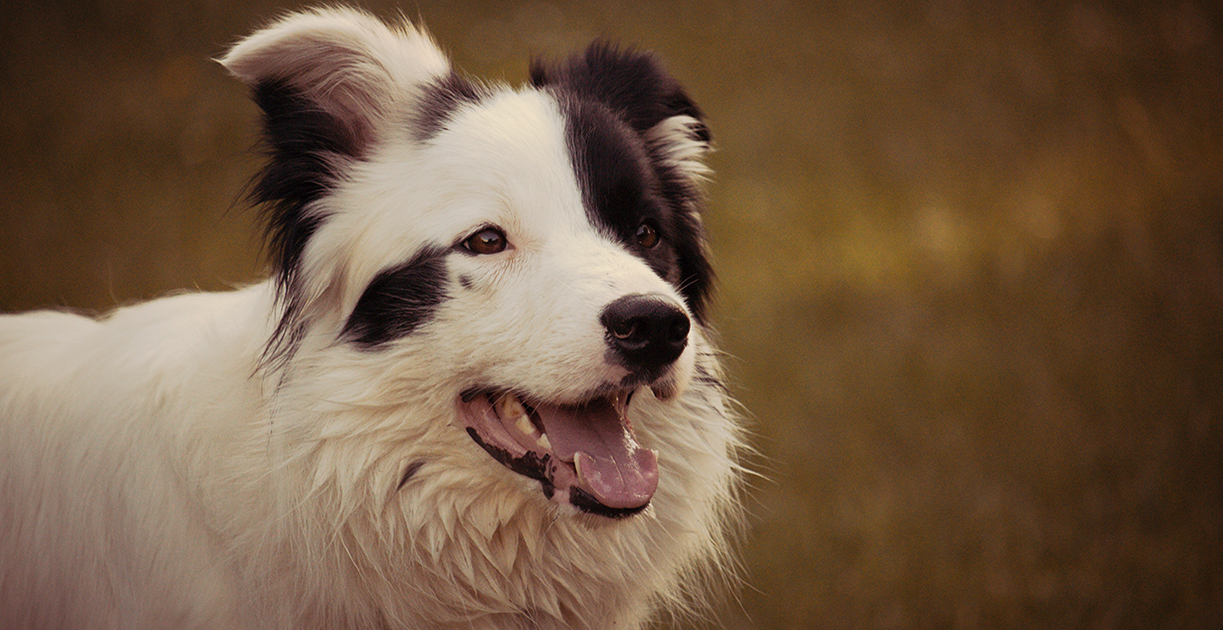
With temperatures set to soar this summer, it is important to bear in mind the very real danger of heatstroke when exercising your dog.
On hot days it isn’t always necessary to walk your dog. Spending time with your dog in other ways can be just as beneficial, such as relaxing in the garden in the shade, or filling up a shallow paddling pool to let them play in. However if you do decide to go for a walk – or your dog insists you do! – there are a few simple tips to help keep your dog safe:
- 8 until 8: Try to avoid walking your dog in the heat of the day, instead try to go out early in the morning (before 8am) or late in the evening (after 8pm).
- Water: If you are walking for some time, ensure you take some water with you to allow your dog to drink little and often.
- Pick your route: Plan your route carefully; walking in cool woods, or alongside fresh clean streams can help your dog to keep cool.
- Toys: Throwing toys for your dog to chase is not a good idea in the hot weather, instead go for a gentle stroll to prevent overheating.
- Know your dog: Elderly, young, overweight or dogs with flat faces or existing medical conditions are not as tolerant of the hot weather, so it is important to be extra careful with these dogs.
Signs of heatstroke
Prevention is always better than cure, but below are some danger signs to look out for that can indicate a dog is suffering from heatstroke:
- Heavy/loud panting
- Drinking more than usual
- Staggering and/or collapse
- Vomiting
- Increased heart rate
- Excessive Drooling
- Red or purple tongue and gums
- High body temperature
What should I do if I suspect my dog has heatstroke?
Heatstroke can be deadly so you must take action immediately:
- Take them out of the heat: Move them to a cool place such as an outside shady area or cool inside room.
- Give them water: Offer small amounts of cool water.
- Cool them down. Using cool (but never very cold water) either douse or spray the dog with water or drape it in wet towels.
- Breeze: Then place the dog in the breeze of a fan if you have one available or try to create a breeze to cool them.
- Most importantly, contact an emergency vets for advice as soon as possible; heat stroke can be fatal.


